Views: 0 Author: Site Editor Publish Time: 17-12-2025 Origin: Site


Recently, Amazon, the global e-commerce and cloud computing giant, announced layoffs of 14,000 employees. This news, like a boulder thrown into the tech industry, sent ripples all the way to construction sites thousands of miles away. Those affected include not only warehouse staff and customer service representatives, but also many high-paid software engineers, data analysts, and machine learning specialists.
When the creators of intelligent tools are themselves hit by the wave of technological change, could we construction machinery operators—who rely on experience and feel—face replacement in the near future? This is not fear-mongering; AI is quietly integrating into all walks of life.
Behind Amazon's layoffs lies the explosive application of generative AI technology. The company openly stated that the restructuring is partly to "focus more on high-growth areas such as artificial intelligence." This means it’s not that employees are incompetent, but that enterprises are shifting resources and positions toward more strategic future directions.
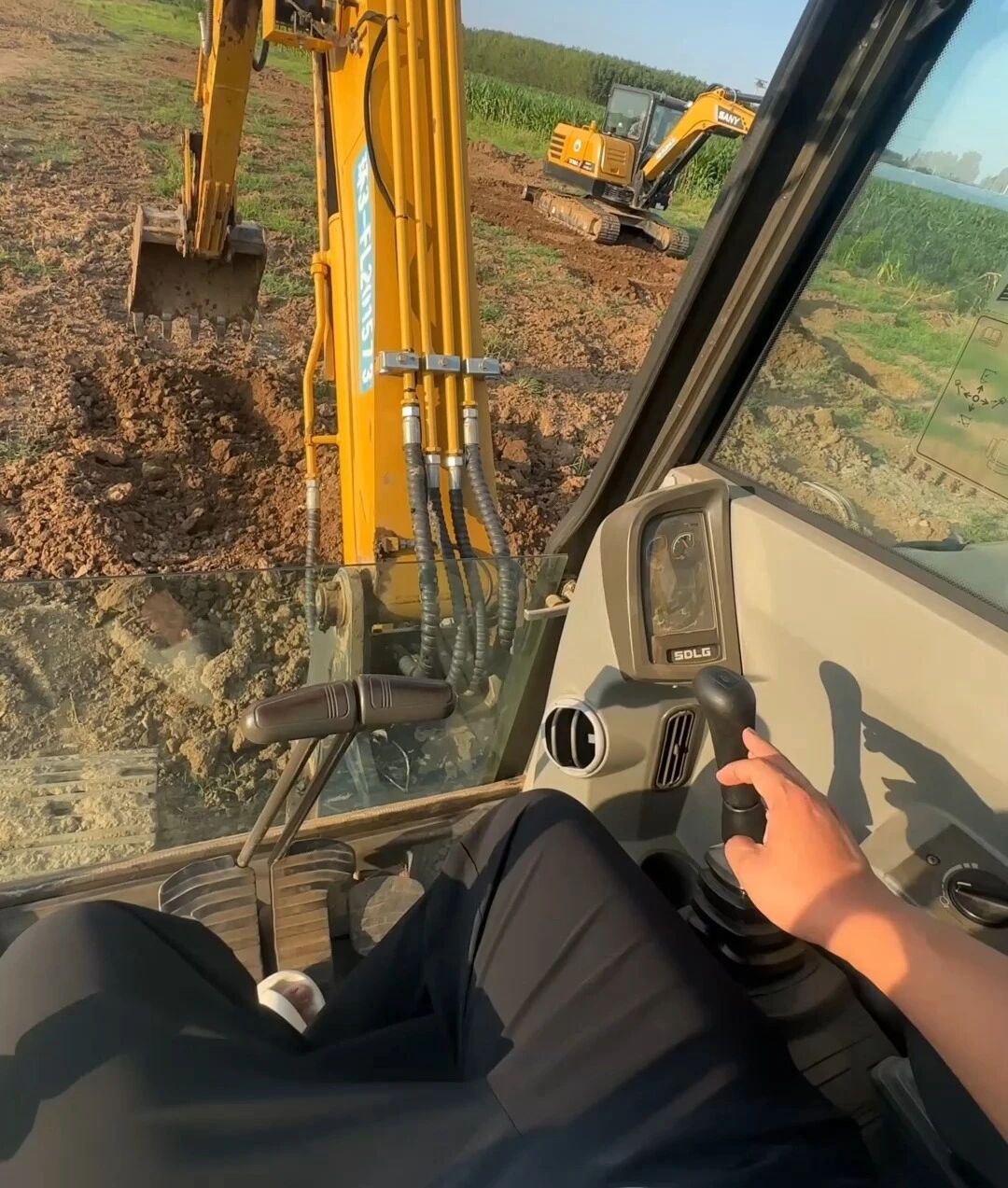
Technological evolution follows a cruel logic of "disruptive substitution." Initially, the hardest-hit roles are often complex but pattern-driven mental tasks (such as programming and design), as AI excels at learning rules from massive datasets. However, as AI's "hand-eye coordination" capabilities break through via embodied intelligence, skilled trades requiring precise operations and real-time judgment have entered the crosshairs of replacement. Perhaps soon, your competitor for jobs could be AI-powered robots.
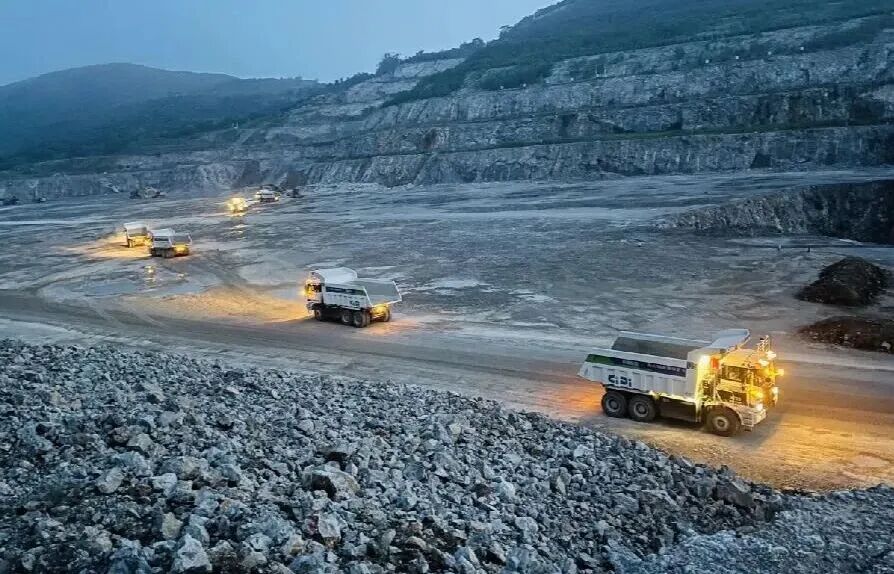
Theoretical concerns have already become reality in some cutting-edge scenarios. In open-pit mines in Xinjiang, Inner Mongolia, and other regions, autonomous electric mining trucks deployed by companies like XCMG and Borui Dun have eliminated traditional cabs.
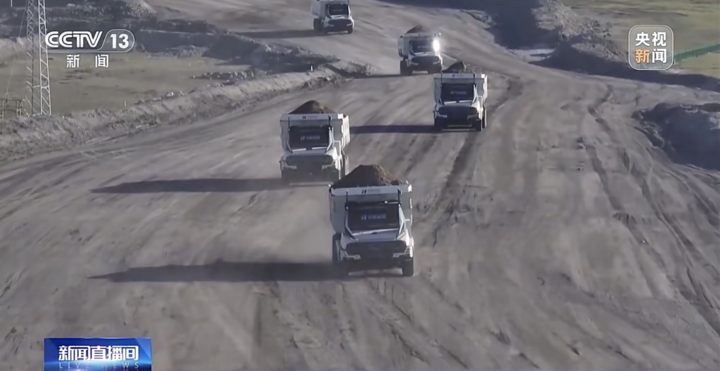
These hundreds-of-ton giants use lidar, millimeter-wave radar, and GNSS high-precision positioning to independently plan routes, load, transport, and unload in mines. They never tire, require no shift changes, and can reduce overall operating costs by more than 15%. Borui Dun has announced plans to vigorously promote smart mine solutions starting in 2026.
If autonomous driving replaces relatively simple "point A to point B" transportation, what’s more disruptive is that AI is attempting to master the core, ineffable "skills" of operators.
The "Lingjue" model developed by NetEase Fuxi Laboratory is the world's first embodied intelligence model dedicated to open-pit mine excavation and loading scenarios. It learns by analyzing over one million real-world operation trajectory data points from excavator operators—detailed enough to capture every angle change of the bucket and force feedback when handling different materials.
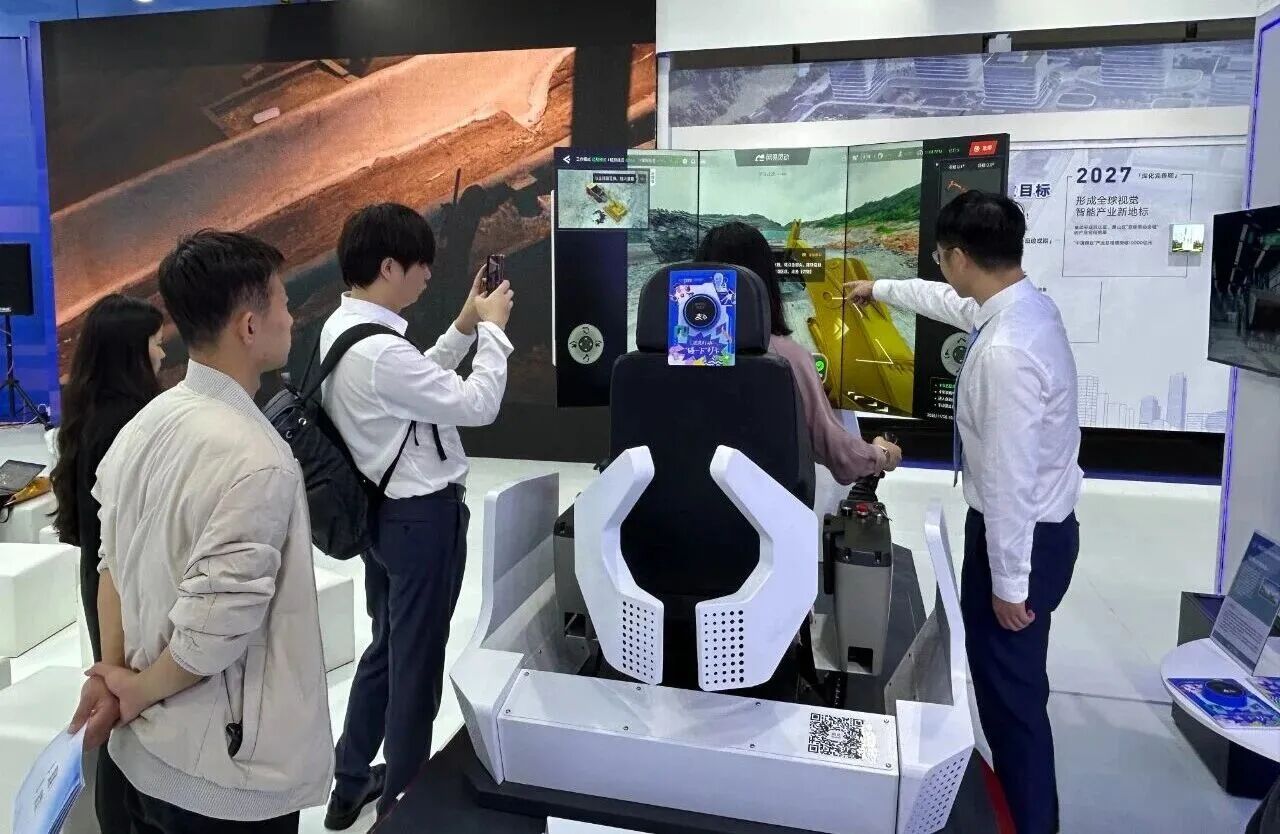
This AI "apprentice" is trying to understand what veteran operators call "feel"—how to sense soil softness, fill the bucket in one scoop, and rotate smoothly without spilling materials. When these muscle memories and intuitive judgments, which once took years to develop, are gradually decoded, quantified, and replicated, the experience barrier for skilled trades begins to crumble. In other words, excavator operators like us could face unemployment at any time.
Industry transformation is not a solo advance but a "double helix" of electrification and intelligence. Leading enterprises such as XCMG, Sany, and Zoomlion have launched full lines of electric excavators, loaders, and mining trucks.
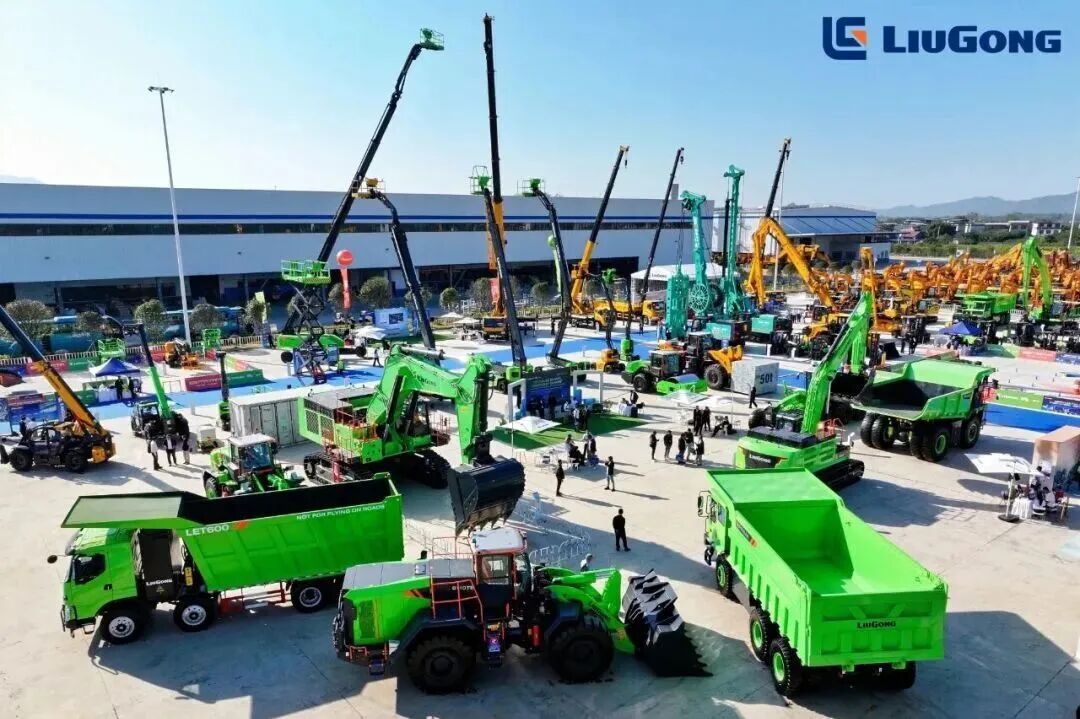
Electrification is far more than just replacing the power source. It converts every movement of construction machinery into precise electronic signals, enabling central controllers to achieve millisecond-level response and control. This essentially removes the mechanical transmission barriers for advanced autonomous driving and multi-machine collaborative operations.
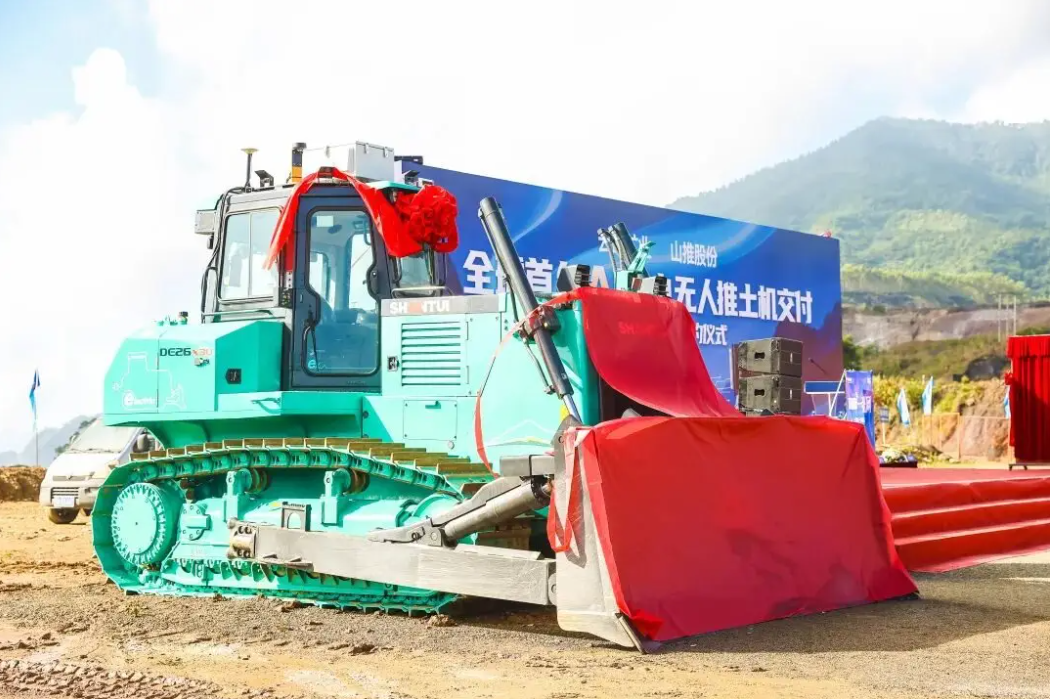
On June 19, 2025, Shantui Construction Machinery held its AI Strategy Conference and Comprehensive Test Center Opening Ceremony, launching China's first AI-powered bulldozer in the construction machinery industry. In Shantui's long-term technical plan, the role of the operator is undergoing a profound transformation:
Primary Stage (L1-L2): AI acts as an intelligent assistant that understands simple commands, with automatic control of working devices. This means operators can free up some energy from tedious manual operations.
Advanced Stage (L3): Semi-autonomous construction is realized. Operators enter a remote control cabin to set work tasks and monitor operations, no longer needing to sit in the equipment's cab.
Advanced Stage (L4-L5): AI will independently formulate plans, optimize construction schemes, and ultimately achieve fully unmanned construction. According to the plan, operators will be completely separated from the equipment, becoming true "commanders."
Faced with this clear path of replacement, the future for operators is not purely pessimistic, but the pain of transformation is inevitable. Future construction sites may split into two types:
In high-risk, standardized, and highly repetitive environments (such as deep-sea dredging, radioactive area operations, and large-scale earthmoving), fully unmanned equipment will become the preferred or even mandatory choice.
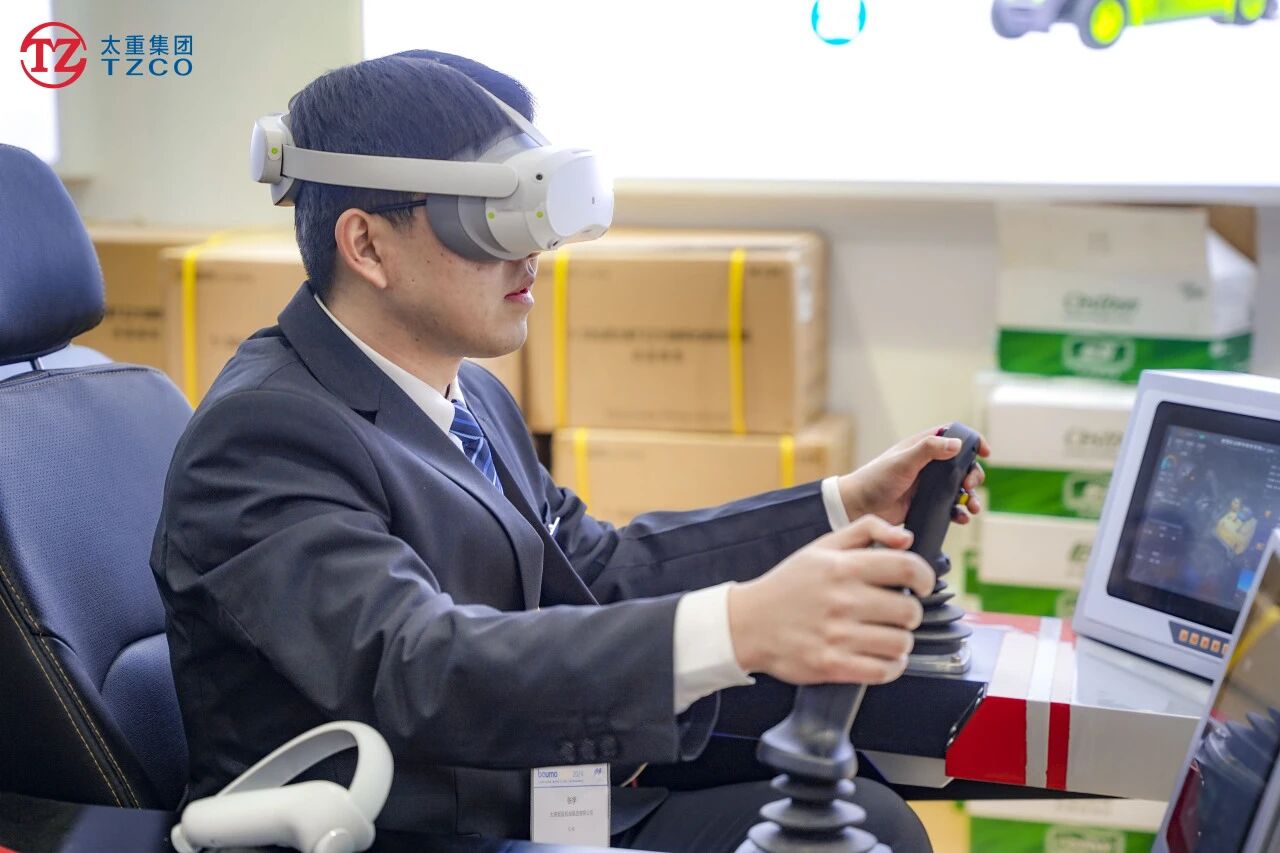
In scenarios with extremely complex working conditions requiring creative on-site decision-making, human operators will remain irreplaceable. However, their roles will undergo a fundamental shift: from "drivers" to "system administrators" or "remote commanders."
This means that top operators of the future may need the ability to interpret data, manage intelligent machine fleets, and perform complex remote interventions. For many veteran operators who rely on traditional experience and are unfamiliar with digital technology, this gap may be harder to bridge than imagined.
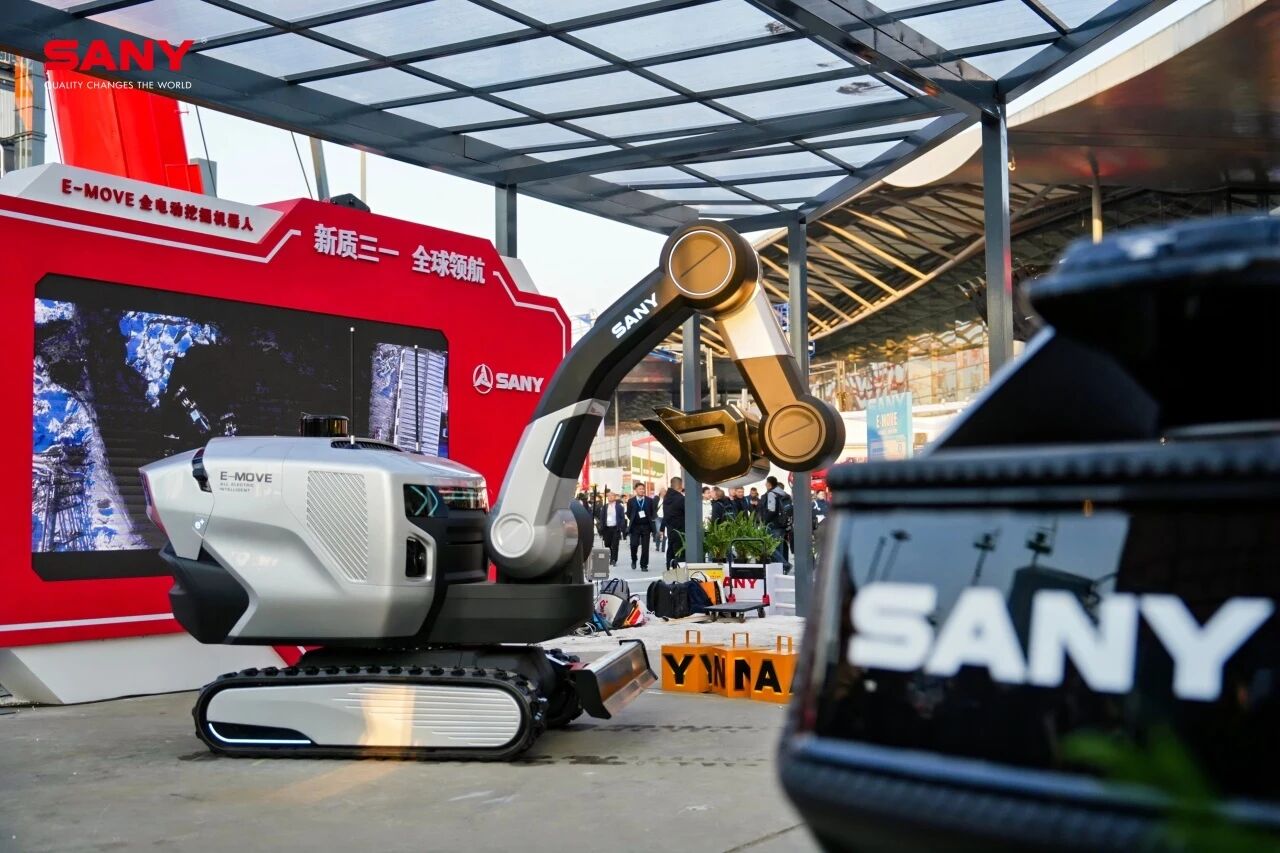
A question all operators who communicate with machines through their hands must face squarely: When "intelligence" not only learns to think but also to observe, judge, and manipulate, will our hard-earned, pride-worthy "proficiency" be an irreplaceable treasure or an outdated "experience database"? The answer to this question may determine our position in five years.